

What’s in a name? More than you might think.
Your online store’s name is one of the most important decisions you’ll make as a business owner. It’s your first chance to leave a lasting impression — and in the digital world, that first impression matters more than ever.
A great name doesn’t just sound good. It sticks. It sparks emotion. It captures your brand’s personality and helps you stand out in a crowded market.
No pressure, right?
But think about it — when shoppers search for the kinds of products you sell, your store’s name can be the reason they click you instead of someone else. It should reflect your brand, resonate with your audience, and be easy to find online.
Naming your business is equal parts creative exploration and strategic thinking. This guide will walk you through how to strike that balance and find a name that fits — perfectly.
Step 1: Start with a big brainstorming session
Before you can land on the perfect name for your new online store, you need to go wide. This first stage is all about quantity, not quality. The more ideas you put on the table, the better your chances of uncovering something original, memorable, and true to your brand’s identity.
In this phase, there are no bad ideas — only possibilities. Don’t filter yourself or your team too early. Later, you’ll refine and test the shortlist. For now, it’s about flow and creativity.
How to get started:
-
Create a collaborative space. If you’re working with a team, set up a shared document or board where everyone can drop ideas anytime.
Tools like Google Docs, Microsoft OneNote, P2, Trello, or Miro make it easy to capture inspiration as it strikes — no matter where your team is.
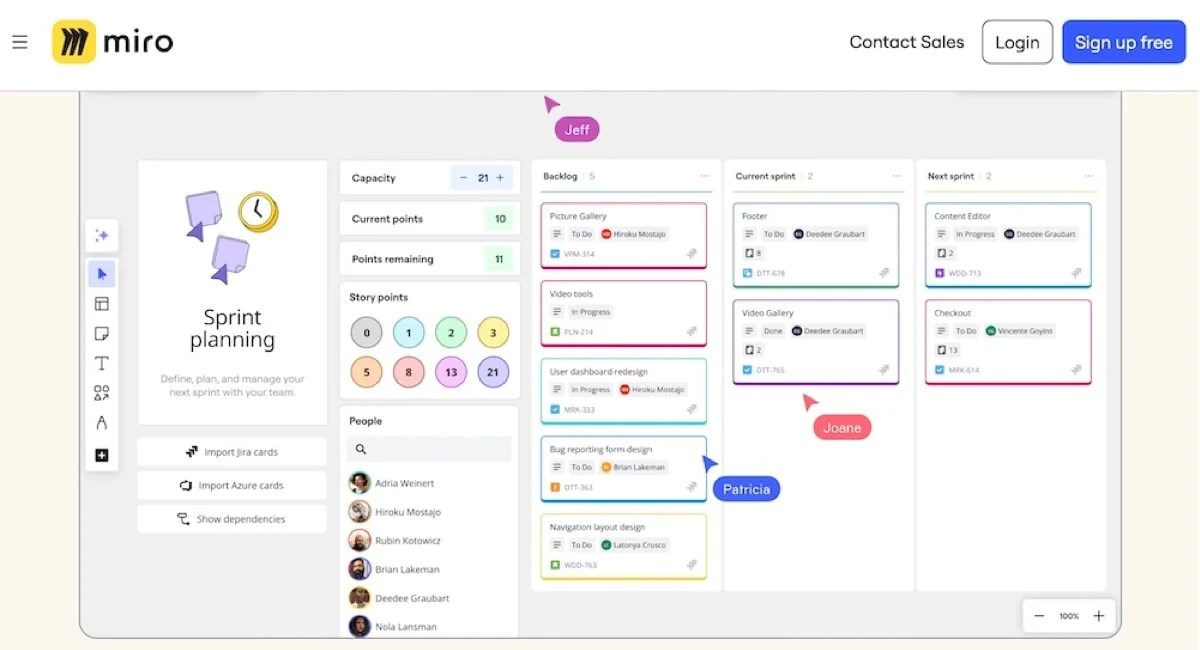
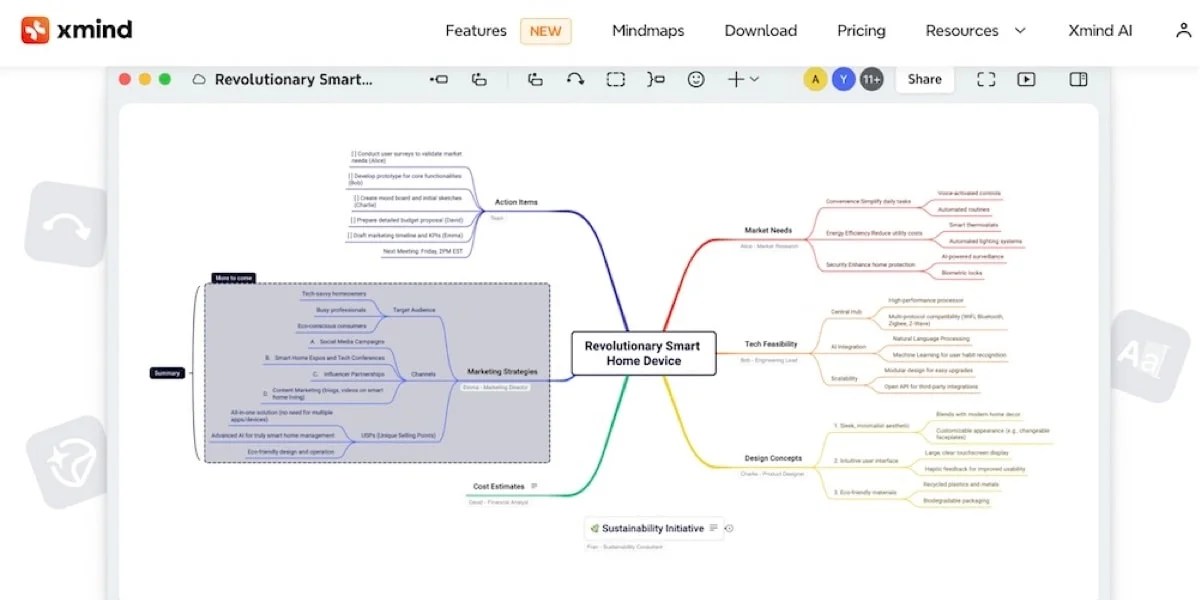
Even if you’re the only one calling the shots, inviting others into the brainstorming process can spark new ideas. People outside the business often bring unexpected insights or angles that help you see your brand differently.
Set clear goals for your brainstorming session
Before jumping into name ideas, set some boundaries to guide creativity. Ask yourself (and your team):
-
What kind of business are we building?
-
What tone should our brand convey — playful, professional, or bold?
-
Who exactly are we trying to reach?
Clarity upfront helps focus brainstorming energy in the right direction. Without clear goals, you risk generating names that sound good but don’t fit your brand identity.
To get ideas flowing, try prompts like:
-
What words describe our main products or services?
-
What emotions do we want customers to associate with our brand?
-
Are there cultural, industry, or niche terms that could inspire unique name ideas?
If you’re launching a high-end fashion label, aim for a name that signals luxury and exclusivity. For an eco-friendly skincare line, choose something that reflects purity, nature, and wellness.

Use word association to spark business name ideas
A great way to dig deeper during brainstorming is through word association — starting with a single idea and expanding from there.
Begin by writing one core word tied to your business or industry. For a bakery, that might be “bread” or “bake.” For a fitness gear shop, maybe “strength” or “movement.”
Then, have each participant jot down every related word that comes to mind — descriptive terms, emotions, or even abstract ideas.
For example:
-
Bakery: artisan, rise, golden, knead
-
Fitness: power, peak, push, endurance
This exercise helps uncover creative directions you might not find through logic alone.
Use a business name generator for fresh inspiration
If you’re running low on ideas, try a business name generator to spark creativity. These tools combine keywords and concepts in surprising ways, helping you explore new naming possibilities quickly.
The WordPress Business Name Generator is a great starting point. Simply enter words that describe your business, and it will suggest a range of catchy, relevant name ideas.
Even if you don’t choose one directly, the unexpected combinations can inspire new directions — sometimes the best ideas come from the ones you didn’t expect.


Use different naming techniques and frameworks
Beyond word association, experimenting with naming frameworks can help you craft something distinctive, memorable, and meaningful. Here are a few proven approaches to consider:
Portmanteaus
A portmanteau blends two words or parts of words to create a fresh, original name that clearly conveys what your business does.
Example: Netflix — a fusion of “Internet” and “Flicks.” The result instantly communicates streaming movies online — simple, clever, and relevant.
Alliteration
Alliterative names use the same starting sound or letter for multiple words. They’re catchy, easy to recall, and often feel rhythmic.
Example: Best Buy — a name that rolls off the tongue while clearly expressing value and purpose.
Metaphor or symbolism
Symbolic names create emotional or aspirational connections. They’re ideal for brands seeking depth or storytelling potential.
Example: Nike — named after the Greek goddess of victory, representing triumph, strength, and determination.
Foreign words or phrases
Incorporating non-English words can lend sophistication or global flair to your brand. Just ensure the term’s meaning aligns with your values and avoids unintended cultural missteps.
Example: Zara — derived from an Arabic term meaning blooming flowers and beauty, capturing elegance and simplicity.

Incorporating a location or origin
If your business is rooted in a specific place or community, weaving that location into your name can instantly add authenticity and character. It helps customers connect your brand to a sense of place and pride.
Example: Alaska Airlines — a name that immediately conveys where the company comes from and builds trust with travelers who value local identity and familiarity.
Acronyms or initials
Using an acronym or a set of initials can be another smart approach — especially if your full business name feels long or complex. When done well, it creates a sleek, memorable brand identity that’s easy to say and recall.
Example: H&M — short for Hennes & Mauritz — has evolved into a globally recognized symbol of accessible, trend-driven fashion.

Let the ideas flow over time
Brainstorming doesn’t have to happen all at once. Great online store names often take time to develop — sometimes the perfect idea surfaces days or even weeks later. Encourage your team to keep jotting down names as inspiration strikes, then regroup later to review everything with fresh eyes.
Avoid early judgment
Don’t rush to rule out ideas too soon. It’s easy to overthink or reject a name because it doesn’t feel perfect right away, but the brainstorming phase is about quantity, not perfection. Many ideas that seem odd at first can evolve into strong contenders when viewed differently or paired with other concepts.
Instead of asking, “Is this the perfect name?” ask, “Does this have potential?” There’s plenty of time for refinement later — right now, focus on capturing as many creative options as possible.
Step 2: Narrow down your options
Once you’ve collected a healthy list of potential names, it’s time to start narrowing things down. This step requires a more critical lens — balancing creativity with practical, legal, and brand-focused considerations.
Eliminate names based on practicality
Start by filtering out names that simply wouldn’t work in real-world use. Ask yourself:
-
Is it easy to spell?
If customers can’t spell your store’s name correctly, they may never find you online. Steer clear of tricky spellings or easily confused words. -
Is it easy to pronounce?
Your name should sound natural in conversation. If it’s awkward, overly long, or hard to say out loud, it may cause confusion. Picture introducing your store at an event or on a podcast — if it feels clunky or forced, it’s probably not the right fit.

Is it user-friendly for your audience?
Your store’s name should feel natural and relevant to the products you sell or the industry you’re in. You don’t have to spell out exactly what you offer, but the name should give customers a sense of what your brand represents. If it feels confusing, off-theme, or disconnected from your niche, it’s best to keep looking. A great name hints at your store’s purpose and instantly feels “right” to your target audience.
Filter out names that are too similar to competitors
Originality matters. If your store’s name sounds too much like another brand — especially a well-known one — it can cause confusion or even legal trouble. The goal is to stand apart while staying true to your brand’s personality.
Research competitors
Start by identifying direct competitors, both online and offline, in your industry. Make sure your name is distinctive enough to avoid overlap, whether nationally or locally. Even online businesses can run into regional conflicts, so it’s worth checking nearby companies too.
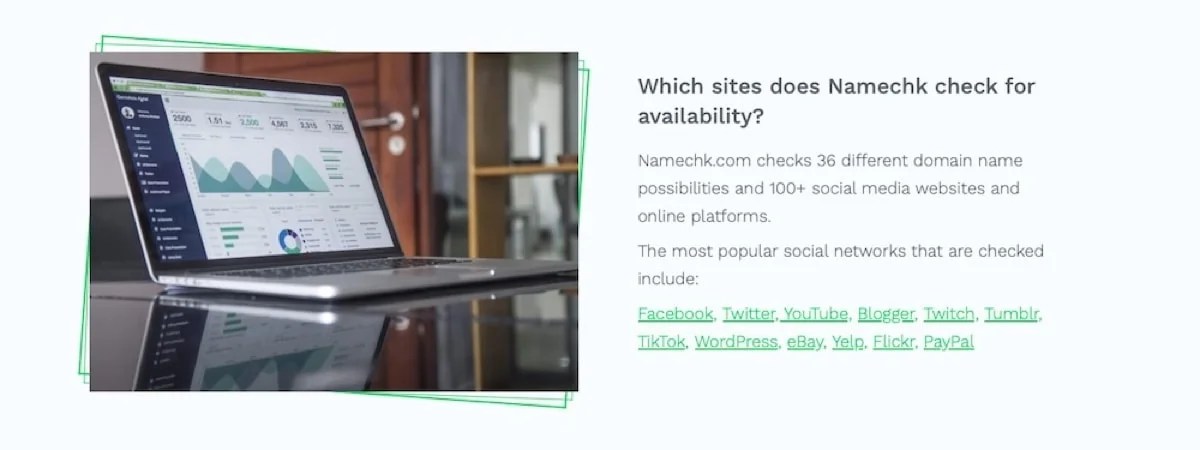
Tools like Namechk make this process easier by letting you search business names, domain availability, social media handles, and trademarks all in one place. This ensures your chosen name is truly unique — and ready for you to own across every platform.
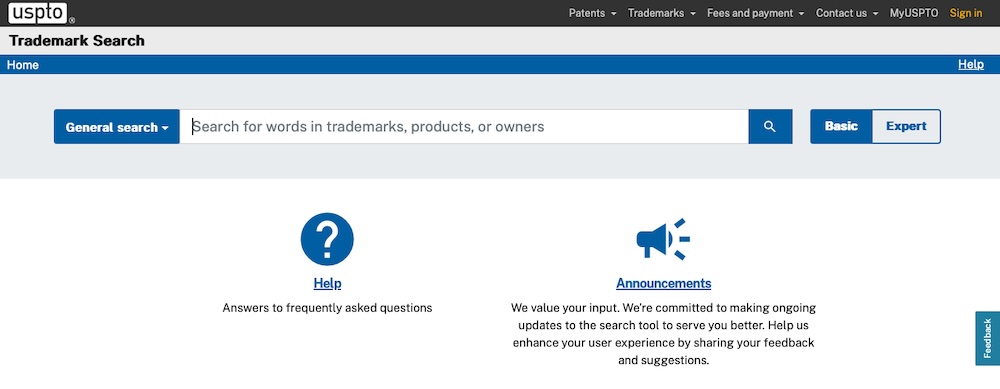
Conduct a thorough search
Before locking in your store’s name, make sure it isn’t already claimed under an existing trademark. A quick, detailed check can save you from future legal complications and protect your brand’s reputation from the start.
Evaluate domain availability
Your business name and domain name should align as closely as possible — ideally, they’re identical. Once you’ve narrowed your list of potential names based on clarity and originality, check whether matching web domains are available.
If the .com version is already taken — especially by an established brand — it’s often wiser to revisit your options rather than risk confusion or credibility issues.
Tools like WordPress.com make it simple to check domain name availability for your store. You can also explore alternate extensions such as .shop, .store, or .blog, which can work well if your preferred .com isn’t available but still keep your branding consistent and professional.

Step 3: Judge names by multiple criteria
Now that you’ve narrowed your list, it’s time to put your potential names through a more focused evaluation. The goal is to ensure that every name left on your list not only sounds great but also stands the test of professionalism, meaning, and emotional impact.
Eliminate names that don’t pass the professionalism test
This filter is all about perception. Picture yourself sharing your store’s name with a journalist from The New York Times or pitching it to an investor. Does it sound confident and credible? Or does it feel too casual, trendy, or gimmicky?
Ask yourself if the name will grow with your business. Playful or quirky names can work, but longevity matters. Will it still make sense — and sound professional — in 5, 10, or 20 years? A strong name should evolve with your brand, not limit it.
Avoid names with negative or unintended associations
A name that sounds great in one language or culture can have an unfortunate or even offensive meaning in another. Do your research to ensure none of your shortlisted names carry unwanted associations.
-
Search your name ideas on Google in multiple languages to see if they translate oddly or negatively.
-
Ask for outside input. Gather feedback from friends, colleagues, or even a small test group of potential customers. Sometimes, an outsider’s perspective can catch things you might miss.
Does it convey the right meaning?
A good name should mean something. It doesn’t have to describe your business literally, but it should evoke a feeling, a concept, or a value that reflects your brand.
The strongest names create emotional resonance — they paint a picture or spark an association in your customer’s mind.
Example: Blue Apron evokes comfort, warmth, and home-cooked meals — perfectly aligned with its meal-kit service.
An evocative name connects instantly and lingers in memory — and that’s what turns a name into a brand.

Will the name stand out in search engines?
Search visibility should factor into your naming decision. Your potential customers will likely find you online, so your store’s name needs to be easy to locate in search results. Choose something distinctive enough to rank well — and that doesn’t get buried under common phrases or competing brands.
This isn’t just about SEO — it’s about discoverability. Test your options by searching each name on Google and other platforms to see what appears. If your chosen name is already used widely or linked to unrelated content, it may be better to find something more original.
Once your store is live, you can further enhance your visibility with SEO tools like Yoast WooCommerce SEO, which helps optimize your pages for better search performance.
Also, check for consistency across social media platforms. Matching handles on Instagram, Facebook, and other channels will strengthen your brand’s recognition and make it easier for customers to find you everywhere you exist online.
Does the name fit with your brand (or what you have planned)?
A strong business name should feel aligned with your brand’s tone, personality, and long-term vision. It’s not just about what the name means — it’s about how it supports your broader story and future growth.
Avoid names tied too closely to a single product or short-term trend. You want a name that will grow with you, not box you in. It should reflect your mission, your values, and the experience you want to create for your customers. If it feels disconnected or hard to expand upon, it may not be the right fit.
Step 4: Make the final decision
By now, you’ve narrowed your list, researched your options, and evaluated each name through multiple lenses. This final stage is about validation — confirming that your choice aligns with both your brand identity and your long-term goals.
Trust your instincts
Feedback and research are vital, but your intuition also plays a role. The right name should excite you — it should feel energizing and authentic to your vision. Ask yourself:
-
Does this name inspire confidence and enthusiasm?
-
Does it clearly represent my brand’s personality?
-
Will it stand the test of time?
If you can answer “yes” to all three, you’re likely on the right path.
Gather final feedback
Before committing, get one last round of input from others — especially your target audience. Conduct a short survey or A/B test to see how people respond to your top contenders.
Ask questions like:
-
What emotions or associations do these names create?
-
Are they easy to remember and spell?
-
Which one feels most trustworthy or appealing?
Tools like User Experience Feedback for WooCommerce can help you collect insights directly from site visitors.
The feedback, combined with your own instinct and vision, will give you the clarity you need to confidently choose the perfect name for your online store — one that resonates today and grows with you tomorrow.

-
Conduct A/B testing
If you’re torn between two strong name options, try running a small A/B test to see which one resonates best. Measure performance through click-through rates, engagement levels, or overall interest from your audience. Real-world data can reveal which name sparks more curiosity and trust — often more accurately than gut instinct alone.
-
Use diverse feedback sources
Don’t rely solely on friends or colleagues for feedback. Reach out to people from different demographics, especially those within your target audience. Fresh perspectives can uncover strengths or weaknesses you may have overlooked.
Pay close attention to recurring themes in the feedback. If several people flag the same concern, it’s worth reconsidering that option. However, don’t get sidetracked by one-off opinions — focus on patterns that consistently appear across responses.
Test the name in practical contexts
Before making your final decision, test how your potential name works across all real-world applications. You’ve already verified domain availability, but this step ensures the name supports your brand identity everywhere it appears.
-
Visual design: Try incorporating the name into mock logos, color palettes, and font styles. Does it adapt well to different layouts? Does it look professional on both digital and physical materials like packaging or ads? A good name should feel flexible and visually balanced in any format.
-
Social media presence: Check the name across every platform you plan to use. Are the handles available? Does the name fit within character limits? Maintaining consistency across platforms strengthens recognition and credibility.
-

Finalize the decision and move forward
Once you’ve landed on the perfect name, take action quickly — digital real estate moves fast. Domains and social handles can be claimed in an instant, so secure everything as soon as possible.
1. Register your domain name
Grab the .com version of your name if it’s available, or choose a relevant alternative such as .co, .store, or .blog. Use a trusted provider like WordPress.com to register it before someone else does.
2. Secure social media handles
Claim your business name across all the major platforms you plan to use — even if you’re not launching them immediately. Consistency in branding helps your audience find and recognize you everywhere online.
3. Get trademark protection
If you plan to grow your brand nationally or internationally, consider filing for a trademark. This legally protects your name from competitors and safeguards your brand identity. If you’re unsure, it’s worth consulting a legal expert for guidance.
Launch your online store with confidence
You now have a complete framework for creating a memorable, effective name for your online store. You understand what makes a name powerful, how to brainstorm creatively, and how to refine your choices strategically — all while ensuring your final pick is legally sound and brand-aligned.
Now it’s time to take the leap. Start brainstorming, refine your shortlist, and choose a name that captures your vision and sets your business apart for years to come.
When you’re ready to launch your ecommerce store, build it on WooCommerce — the platform that gives you full ownership, maximum flexibility, and the freedom to grow from a startup into a thriving enterprise.